Face Forward: Facial Gua Sha Training

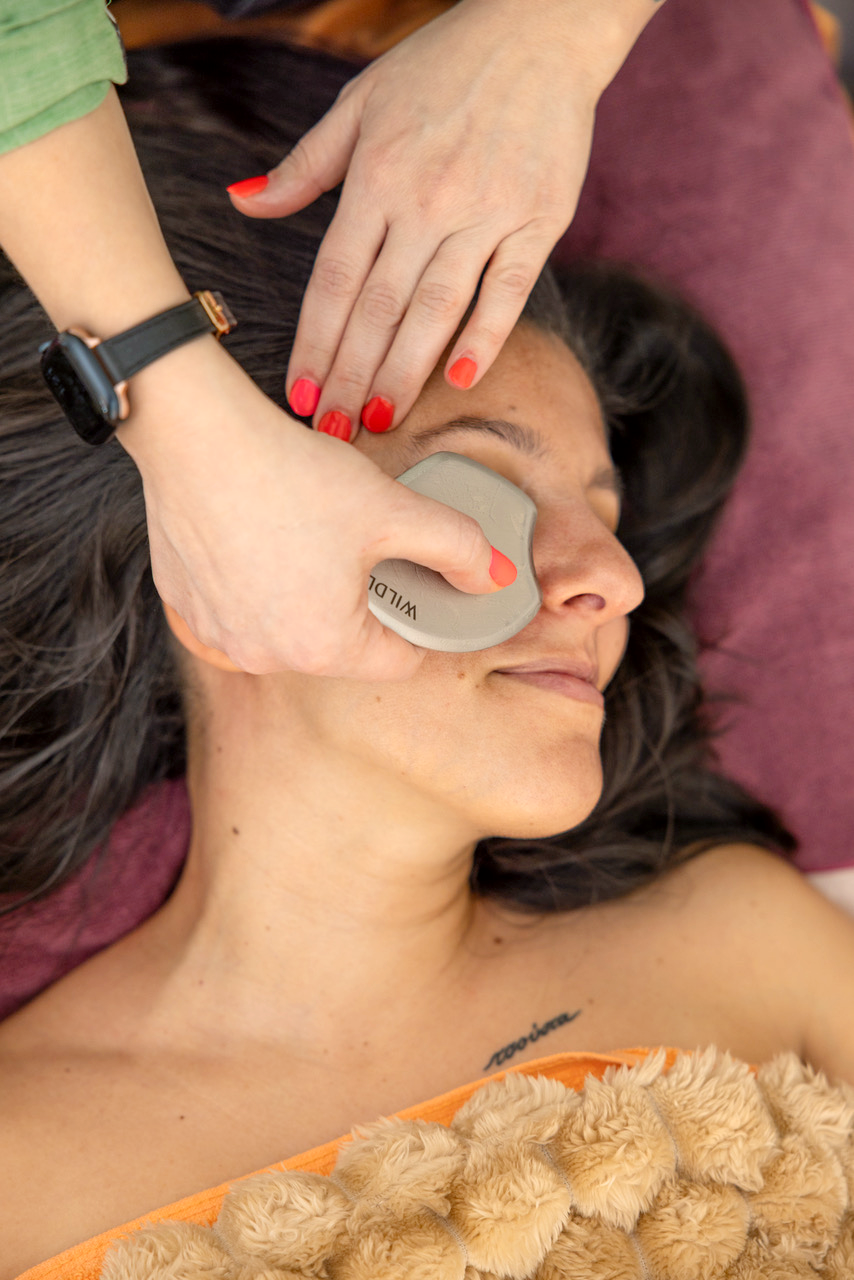
Face Forward is a multi-level facial gua sha training pathway. You’ll build confident tool use, learn how to work with different parts of the face, and practice applying gua sha for patterns like TMJ, sinus pressure, headaches, and puffiness.

Facial Gua Sha

at Well Collab Acupuncture

What Is Facial Gua Sha?

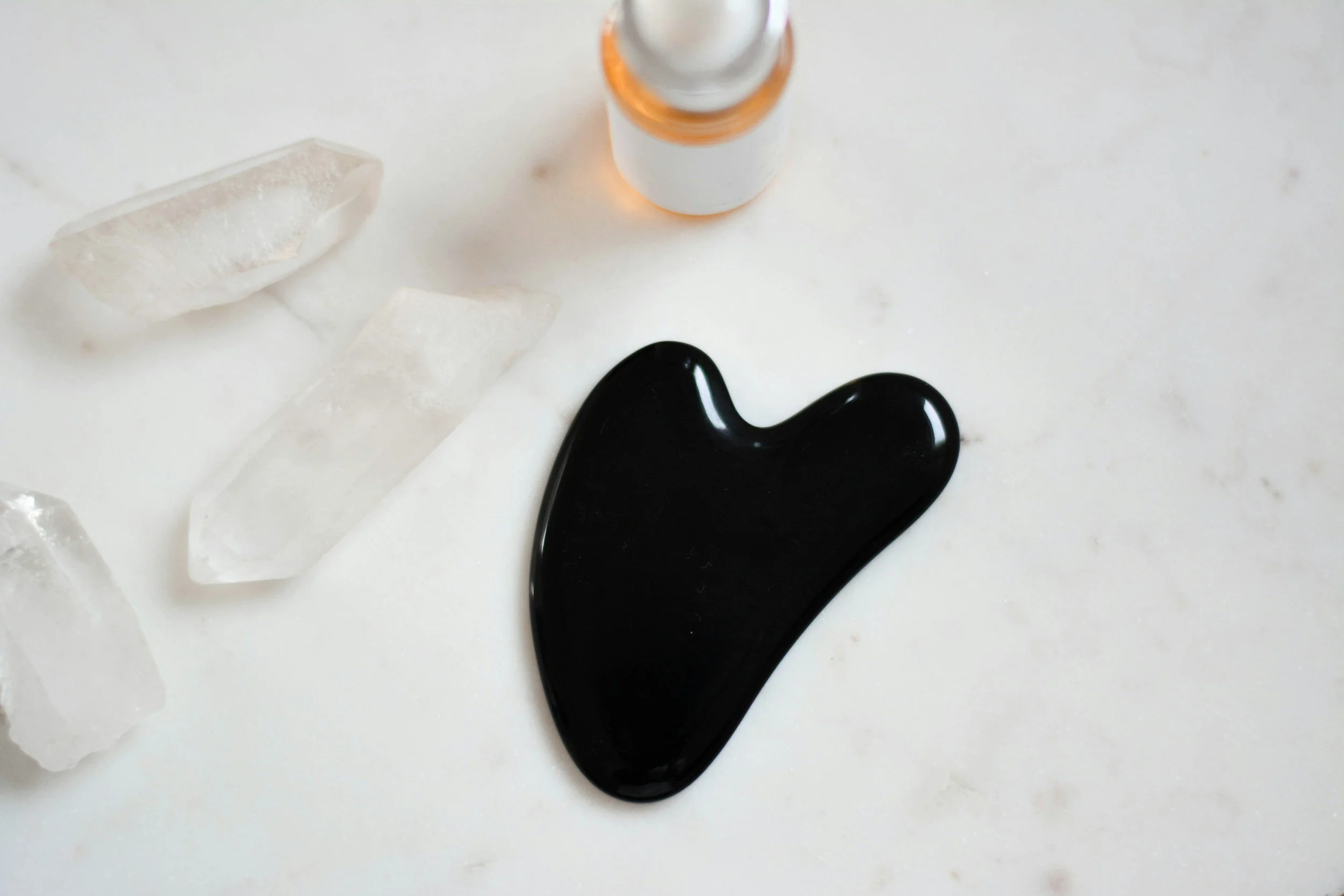
Facial gua sha is a manual therapy technique rooted in East Asian medicine that uses smooth-edged tools to interact with the skin, fascia, muscles, lymphatic and glymphatic systems of the face, neck, and scalp.

Despite its recent visibility in beauty culture, gua sha is not a trend and it’s not primarily cosmetic. It’s a way of working with movement, circulation, and nervous system signaling in tissues that hold an enormous amount of information.
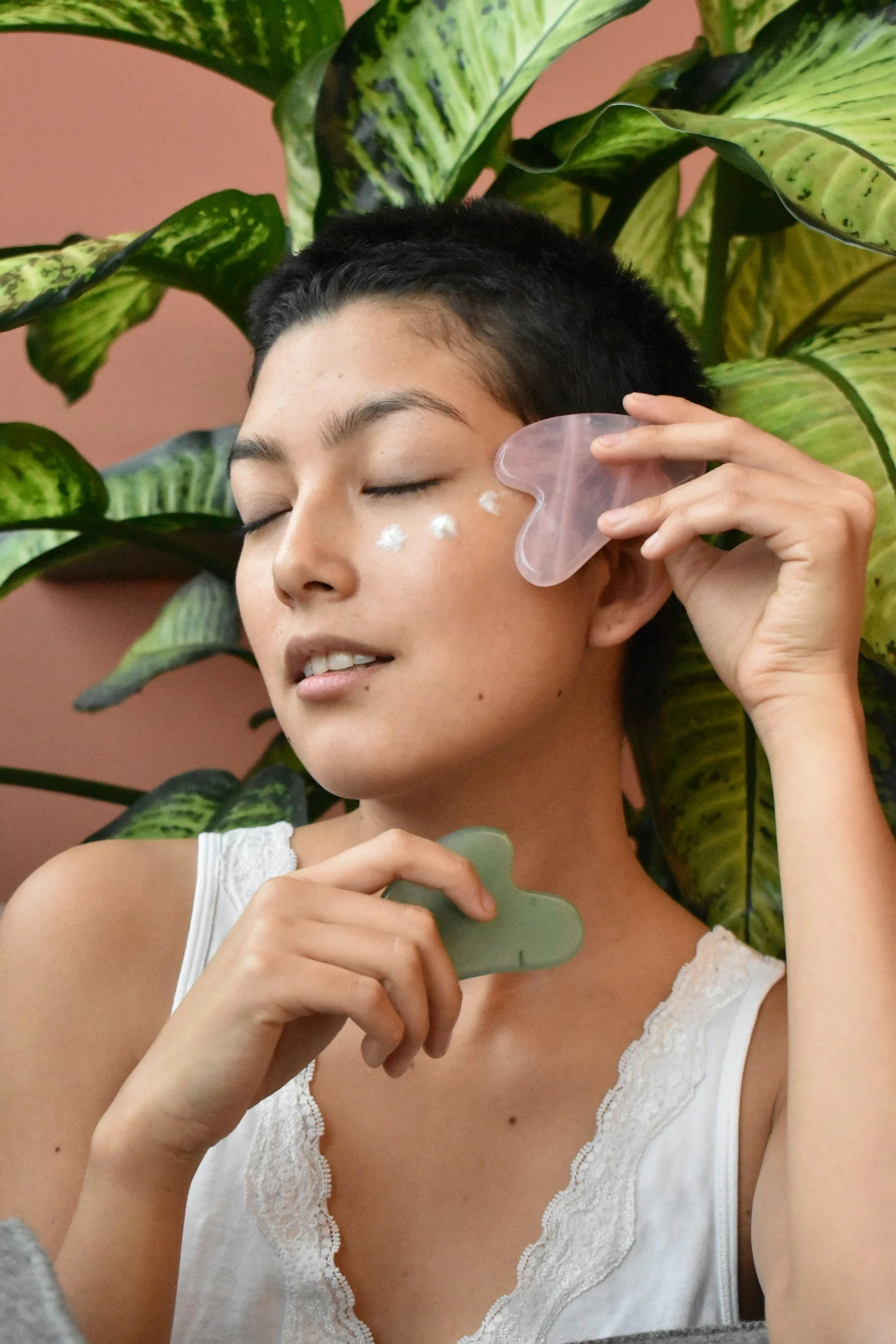
In my practice, facial gua sha is not about chasing symmetry, erasing expression, or forcing the face into compliance. It’s about restoring flow, improving tissue communication, and allowing the face to reorganize itself toward ease.

What’s Actually Happening Under the Skin.

Your face is not just skin over bone. It’s a layered, living system:

  • Skin

  • Superficial fascia

  • Deep fascia

  • Muscles of expression and mastication

  • Blood vessels

  • Lymphatic and glymphatic pathways

  • Cranial nerves

  • Subtle but real patterns of holding and habit

Facial gua sha works by introducing intelligent movement into these layers.

  • Gentle, repeated strokes create a mechanical signal that:

  • Encourages lymphatic drainage (reducing puffiness and stagnation)

  • Improves microcirculation (bringing oxygen and nutrients to tissue)

  • Softens habitual muscular holding (especially jaw, brow, and midface)

  • Improves fascial glide (layers moving with each other instead of sticking)

  • Signals the nervous system that the face is safe to release

This is why gua sha can change how the face looks and how the person feels. The face is one of the most neurologically dense areas of the body. You don’t work here without affecting the whole system.
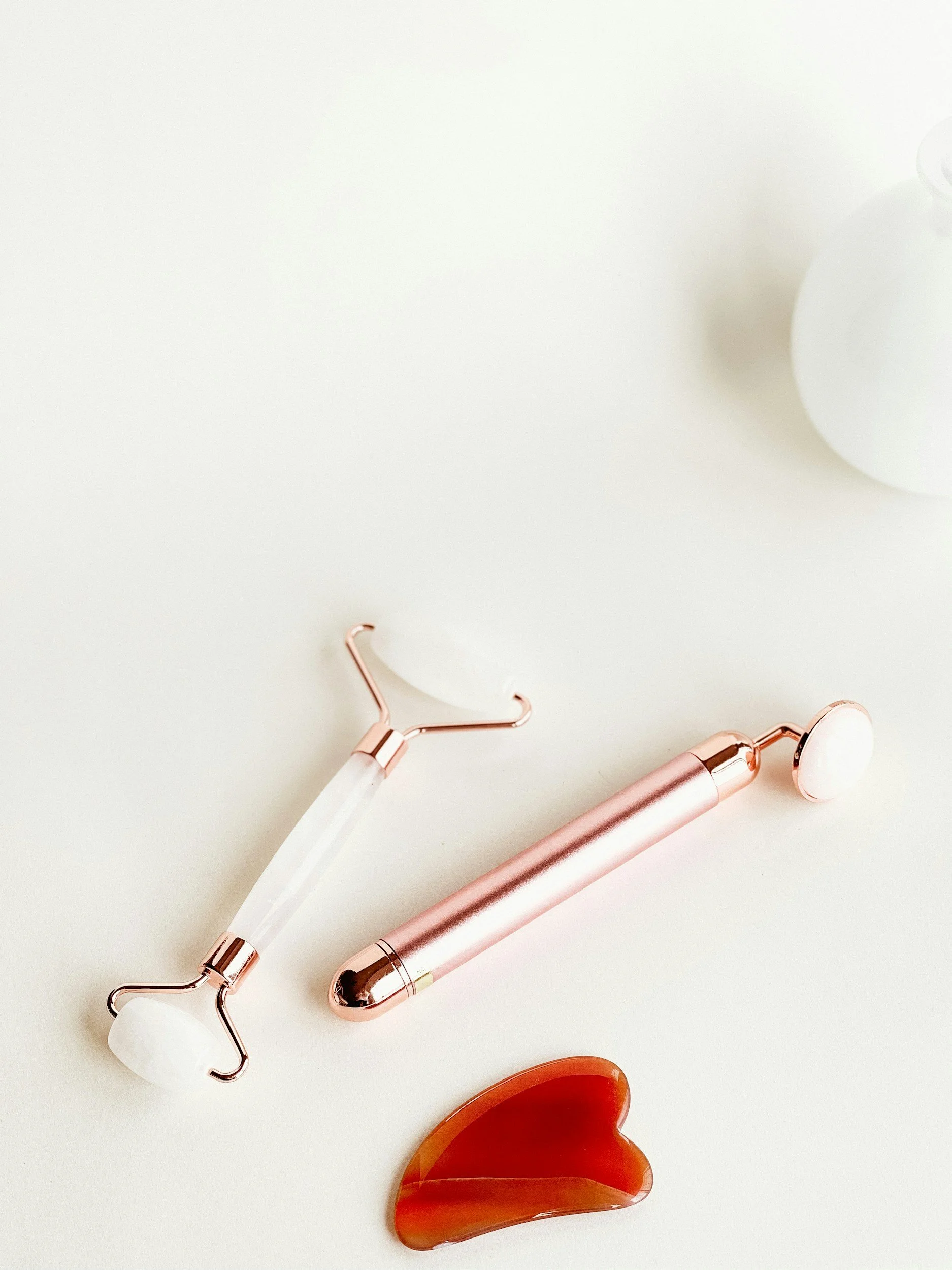
Aesthetic Changes Are a Byproduct, Not the Goal

Yes, people often notice:

  • Less facial puffiness

  • More definition through the jaw and cheekbones

  • Softer nasolabial folds

  • Brighter skin tone

  • Eyes that look more open and rested

But these changes happen because flow improves, not because anything is being sculpted or forced.

Faces lift when they’re not congested.

They soften when muscles aren’t bracing.

They look clearer when circulation is steady.

This is structural and physiological, not cosmetic trickery.

How My Approach Is Different

Many modern gua sha tutorials teach a single map: same strokes, same order, same pressure, for every face.

That’s not how I practice or teach it.

My work is:

    •    Anatomically informed: strokes are chosen based on tissue behavior, not aesthetics

    •    Pattern-based: I look at how your face holds, compensates, and drains

    •    Nervous-system aware: pressure and pacing matter more than intensity

    •    Non-extractive: nothing is being “fixed,” dominated, or overridden

Some faces need more drainage.

Some need more structural support.

Some need permission to stop gripping.

And many need all three, in different regions, at different times.

What I Teach in Face Forward

Face Forward is about learning how to read a face and respond to it.

You learn:

    •    How to recognize stagnation vs weakness vs overuse

    •    Why midface heaviness isn’t the same as aging

    •    How jaw tension affects the eyes, neck, and nervous system

    •    When less pressure creates more change

    •    How to support lymphatic and glymphatic flow safely

    •    How to work with your face over time, not against it

This is why the work compounds. You’re not doing maintenance. You’re changing how the system functions.

Who Facial Gua Sha Is Especially Helpful For

    •    People who hold stress in their jaw, brow, or neck

    •    Those with facial puffiness, sinus congestion, or headaches

    •    People navigating hormonal shifts or inflammation

    •    Anyone who feels disconnected from their face or expression

    •    Those who want aesthetic changes without numbing, freezing, or forcing

It’s also particularly supportive for people who are sensitive, neurodivergent, or overwhelmed. The face often tells the truth before words do.

What This Is Not

Facial gua sha is not:

    •    A replacement for medical care

    •    A quick fix or instant transformation

    •    A punishment for aging

    •    A way to erase emotion or expression

It’s a relationship with your face.

One that values responsiveness over control, and function over perfection.

The Philosophy Behind Face Forward

In patriarchal beauty culture, faces are something to be corrected.

In my work, the face is a site of intelligence.

It adapts.

It remembers.

It responds when given the right conditions.

Facial gua sha, practiced with care and precision, is a way of listening with your hands and offering the face a chance to reorganize itself toward vitality.

groups

  • 101 — Foundations

    Learn proper tool use, pressure, pace, and a complete at-home gua sha routine.

  • 201 — Face Anatomy in Motion

    Develop touch-based anatomical awareness so you can vary pressure, pace, and angle across the jaw, cheeks, eyes, forehead, and neck.

  • 301 — Applied Practice

    Apply gua sha to real tension patterns (TMJ, sinus, headaches, puffiness) with discernment.