Ancient Medicine, Modern Mechanism
Essay One of Reclaiming Detox
Let's talk about detox.
Not the juice cleanse, not the foot bath that shows you the dirty water, not the charcoal lemonade that costs $18 and does nothing except make you feel like you're participating in your own wellness.
Those things exist because the wellness industry identified a real biological need, stripped it of its mechanistic truth, repackaged it as an aesthetic consumer experience, and sold it back to the people whose bodies were asking for something real. It’s the same structure as stripping wheat of its nutritional complexity to make it white and shelf-stable, then repacking it with synthetic nutrients… but we'll get to that.
Physiological detoxification is not a trend: it’s a biochemical process. Your body has an entire infrastructure — enzymatic, cellular, continuous — specifically designed to identify, transform, and eliminate what doesn't belong. It runs every second without your conscious participation. It handles hormones, neurotransmitters, environmental toxins, metabolic byproducts, histamine. It is not optional and it is not a seasonal cleanse.
Methylation is the engine that infrastructure runs on.
And for a significant portion of the population, that engine is running compromised.

I have sat across from excellent acupuncturists — people who know what they're doing, people I respect — and watched them read what my body is telling them correctly and prescribe an herbal formula for that, only for it to backfire spectacularly.
My body presents one way and works another way. She’s sneaky. Maybe it's the decades of masking undiagnosed neurodivergence, and I got so good at it that even my clinical presentation followed along. This is part of why I don't rely fully on classical diagnostic tools as the primary frame in my own practice: I know firsthand how they can give only part of the picture. And, it turns out, my clientele fall largely into this same category: the presentation is one thing and the body is still hiding something behind all of it.
I am homozygous for the MTHFR gene mutation. My sisters are, too. My parents have to each have at least one copy. Mark — Public Acupuncture facilitator, co-parent to the small human we made — is heterozygous, and when COVID triggered his methylation pathway into crisis, the aftermath nearly killed him.
Approximately 30 to 40% of the population carries at least one copy of the C677T variant, and between 8 and 20% of people in North America and Europe are homozygous — with significantly higher rates in those of Mediterranean and Hispanic descent. Neurodivergent populations appear overrepresented in this group.
So, increasingly, there are a lot of people laying on treatment tables (or sitting in treatment chairs, looking at you, Public Acupuncture!) who have been told they need something to build them up — as an acupuncturist, that looks like Chinese herbs and supplements — take it faithfully, and continue to feel like the floor is ever increasingly tilted.
This is about that.
What MTHFR Actually Is
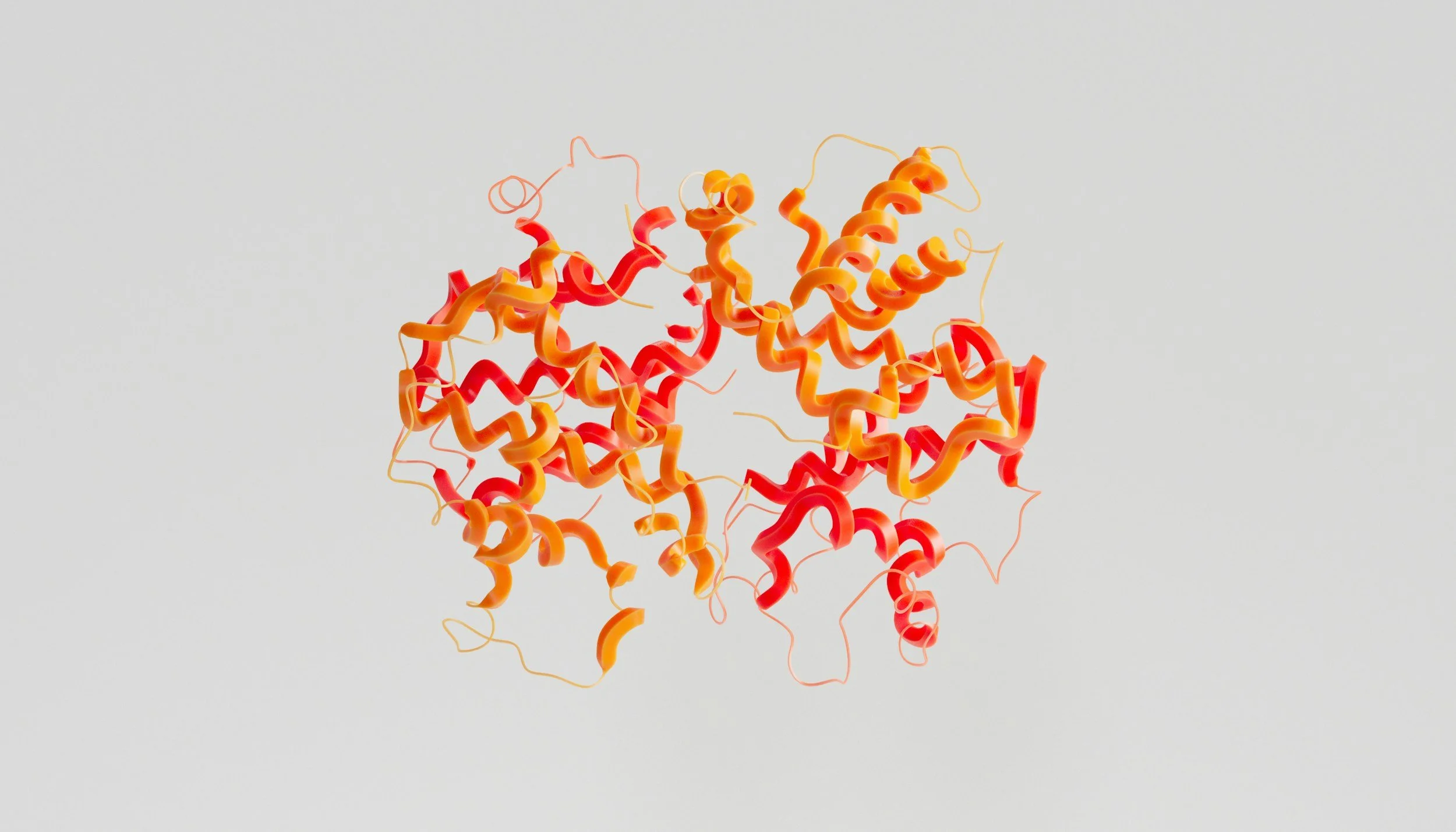
MTHFR — methylenetetrahydrofolate reductase — is an enzyme. Its job is to run a critical step in the methylation cycle: converting folate into its active, usable form, 5-methyltetrahydrofolate (5-MTHF). Methylation is how the body makes neurotransmitters, detoxifies estrogen, repairs DNA, regulates inflammation, and clears homocysteine from the blood.
Homocysteine is an intermediate amino acid, which means that it’s a byproduct of normal protein metabolism that is supposed to be converted and cleared.
When it isn't, it accumulates.
And accumulated homocysteine is not inert.
It damages the endothelial lining of blood vessels, triggering inflammation and shifting the vascular environment from anticoagulant to procoagulant: the blood moves differently, clots more readily, flows with more friction. It depletes nitric oxide, an essential compound blood vessels use to relax and dilate. It generates oxidative stress, accumulates reactive oxygen species, and activates inflammatory signaling cascades that affect the heart, the brain, and the liver simultaneously.
Elevated homocysteine is an independent risk factor for cardiovascular disease, stroke, and neurodegenerative conditions. It disrupts iron metabolism. It interferes with neurotransmitter production. In a homozygous MTHFR body, this is not an acute crisis — it is a slow, chronic accumulation happening in the background of everything else.
It is not a minor housekeeping function. It is infrastructure.
When you carry two copies of the MTHFR variant (making homozygous, both alleles compromised) that enzyme is functioning at somewhere between 10 and 30% of normal capacity.
The folate cycle slows.
The system doesn't quite fail... it just runs perpetually behind, perpetually effortful, perpetually doing more, with less.
Your body is working very hard to appear fine.
The Folic Acid Problem
What complicates things considerably is folic acid, and here, it helps to know a little history.
The enrichment of white flour with B vitamins and iron has been mandatory in the United States since 1943, when the War Foods Administration banned non-enriched bread. That mandate was a response to the deficiency diseases created by industrial milling, which stripped grain of its nutritional complexity in the name of shelf life and visual uniformity, and then had to add back synthetic substitutes for what it had removed. Folic acid was not part of that original formula. It was added later, in a separate mandate: the FDA authorized folic acid fortification of enriched cereal grain products in 1996, with full implementation by January 1998. The stated rationale was reducing neural tube defects in newborns — a genuine public health goal with documented results, one that we’re glad had positive results.

B9 is a necessary nutrient. If folic acid is tolerated even with MTHFR, you are encouraged to take it, and for good reason: folic acid fortification reduced neural tube defect prevalence by approximately 36% in the years immediately following the 1998 mandate, and studies with more complete case ascertainment put the protective effect closer to 50%. These are real children and that’s a huge decrease. Especially for those who are food insecure, the folic acid in bread is the difference between a healthy pregnancy and a tragedy.
The fortification program made a choice that saved the most lives with the most scalable, shelf-stable intervention available, and it worked. What it means if you’re positive for the MTHFR gene mutation is that you have to be more careful. Because MTHFR is the enzyme responsible for converting folic acid into its active, usable form, the introduction of synthetic folic acid into the daily food supply created a specific and largely unacknowledged problem for the roughly 40% of the population whose MTHFR enzyme is compromised.
Folic acid is a synthetic, oxidized form of folate. It’s not the same as the folate found naturally in leafy greens and legumes (which is readily bioavailable and safe for systems with MTHFR mutations). To be usable by the body, folic acid has to be converted, and the enzyme responsible for that conversion is MTHFR. In a homozygous body, where that enzyme is running at 10 to 30% capacity, folic acid often cannot be converted fast enough. It accumulates in the bloodstream in its unusable form: unmetabolized folic acid, or UMFA.
It can block the folate receptors that would otherwise accept the active, usable form, meaning that the synthetic version crowds out the real thing. (This, incidentally, is also how lead causes anemia: by blocking the enzyme that inserts iron into hemoglobin. So the iron is available, but the pathway to use it is not.)
Research has associated UMFA accumulation with cognitive impairment, disrupted neurotransmitter production, and worsened psychiatric symptoms. High folic acid intake has been shown in animal studies to reduce MTHFR protein and enzyme activity levels, creating what researchers have termed a "pseudo-MTHFR deficiency," compounding the genetic one that already exists.
It can also mask B12 deficiency, meaning a serious underlying condition goes undetected because the bloodwork looks adequate on the surface.
For some homozygous MTHFR people, folic acid is largely innocuous. Physiologically, the body manages to process it slowly and excrete the excess. For others, it is functionally a toxin. The difference comes down to total load: how much is coming in daily, how compromised the enzyme actually is, and what else is stressing the system simultaneously. There is no universal threshold. There is only your body, and whether it is telling you something.

What the Clinical Picture Shows, and What It Hides
To an acupuncturist, a body with unregulated homozygous MTHFR presents, almost without exception, as depleted. Fatigue. Disrupted sleep. Cognitive fog. Anxiety with a wired, electric quality underneath the exhaustion. Mood instability that doesn't fully respond to standard interventions. In Traditional Chinese Medicine (TCM), this pattern has a name, blood deficiency, and the reading is accurate. The formula that presents itself clearly and elegantly for this pattern is Gui Pi Tang, a classical blood and qi tonic in continuous use for over a thousand years.
In theory, this sounds good. This is how I used to present, and I have been put on this formula countless times. The formula is gentle, food-grade, not harmful, so my side effects were never catastrophic — but I certainly didn’t feel better. I felt more congested. Maybe more wired underneath the fatigue. Definitely constipated (if you’ve ever been to an acupuncturist, you know poop talk is the norm). It was the physical sensation of something being added to a system that cannot move what it already has.
What the Presentation Can't Show
Think of the methylation pathway as a dam with water backed up on one side and a dry basin on the other. The clinical presentation sees the dry basin: deficiency, depletion, not enough. The obvious intervention is to add water.
But if the dam is still there, you are adding resources to the inlet of a blocked system. The dry basin stays dry and the backed-up side becomes more congested.
In this analogy, the dam is the liver.
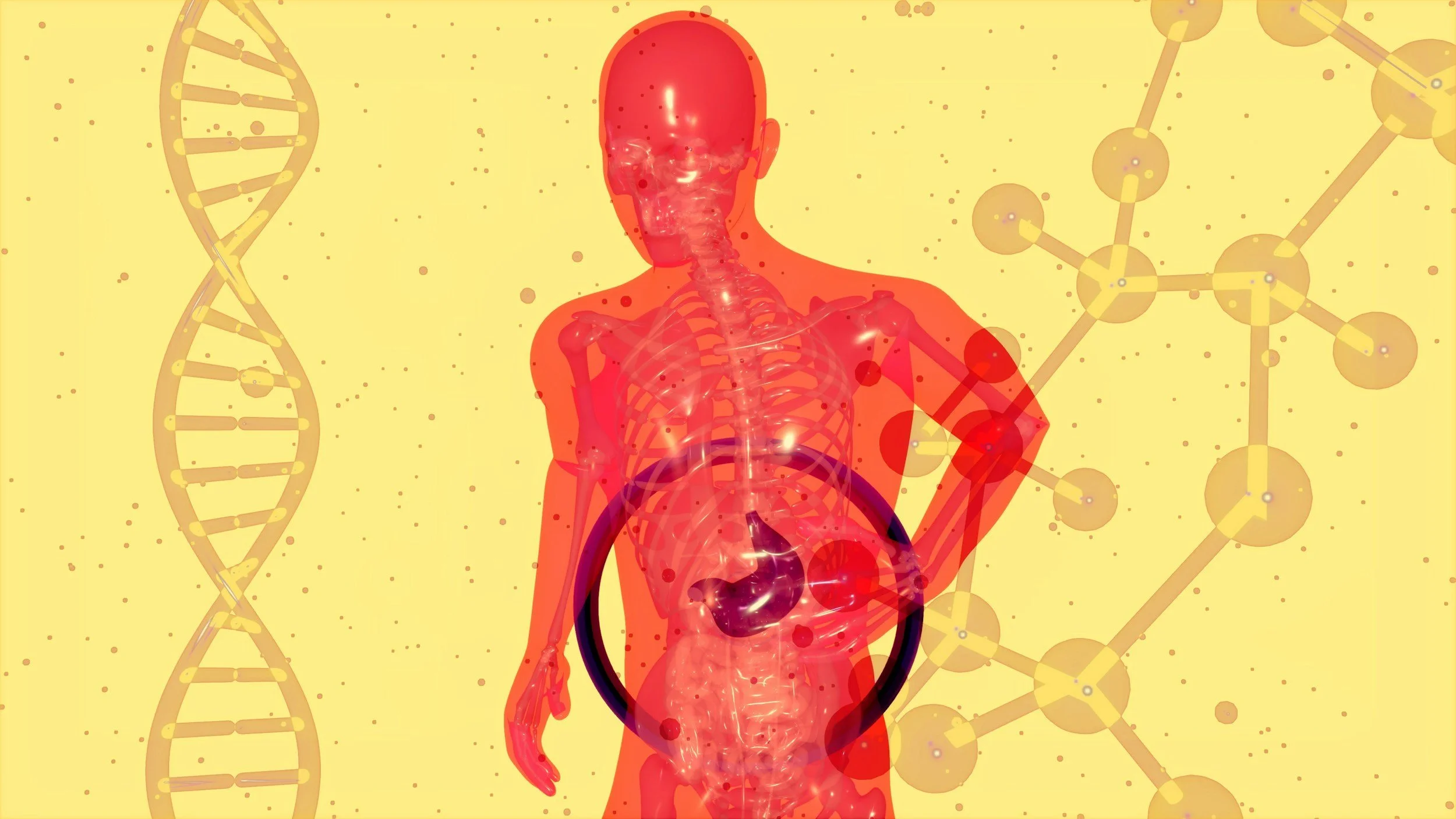
The liver requires more methylation activity than almost any other organ. It is the primary site of phase two detoxification, which is the process that takes partially-broken-down compounds and finishes clearing them. Estrogen metabolites (this compounds significantly if endometriosis is present: endo lesions produce their own estrogen locally, meaning the body is not just dealing with systemic estrogen the liver cannot clear efficiently, but with a condition that actively generates more fuel for itself in a body already compromised in its ability to clear what it has — it is a loop, not just a layer. But more on that a different time!). Histamine. Neurotransmitter byproducts. Environmental toxins. All of it moves through the liver's methylation-dependent pathways on its way out.
In a homozygous MTHFR body, those pathways are chronically under-resourced. The liver is doing its job the way you might cook dinner with one ok-ish burner. The food gets made. It just takes longer and leaves more mess.
In Chinese medicine, this is Liver Qi Stagnation: a framework developed over two millennia of careful clinical observation that turns out to be describing, in different notation, the same thing the biochemistry is describing.
Usually we see Liver Qi Stagnation as a response to a stressful situation, not necessarily as a structural baseline, but with a condition like this and under the right circumstances, the stagnation becomes baked into the biology.
And stagnation that persists long enough generates heat.
This is not metaphor (well, it is, but it’s also biochemical). Impaired methylation means impaired neurotransmitter synthesis. Serotonin, dopamine, and norepinephrine all require methylation steps to be produced and regulated. When the pathway is bottlenecked, the brain cannot make or balance its own chemistry adequately. This is the mechanism behind the psychiatric presentations that so frequently accompany MTHFR: the depression that doesn't fully respond to SSRIs, the anxiety with that wired electric quality, the mood instability that gets diagnosed before anyone even thinks to ask about folate metabolism. The heat is not emotional dysregulation but rather a nervous system that cannot regulate its own chemistry because the raw materials are not moving.
This is why interventions that move the stagnation before — or alongside — anything that builds or tonifies tend to land differently in this population. You cannot fill what cannot yet receive. The sequence matters. Move, then tonify. The dam has to move before the basin can fill.

A Complication: When the System Is Also Reactive
There is a layer on top of all of this that changes what is clinically possible.
Many people with homozygous MTHFR — particularly those who also carry connective tissue hypermobility, neurodivergence, and a history of hormonal dysregulation — also present with mast cell activation syndrome, or MCAS. Histamine clearance is methylation-dependent, so this is less of a coincidence and more of a (potential) inevitability. The primary enzyme that breaks histamine down — histamine N-methyltransferase — requires a methyl group to function. In a body where methylation is structurally impaired, histamine does not clear efficiently. It accumulates. Mast cells, already operating in an inflammatory environment that impaired methylation creates, become progressively more sensitized. The system that was already running hot now also overreacts to inputs that a regulated body would process without incident.
The clinical implication is significant. A body with active MCAS may react to interventions that a less reactive body would tolerate: things like specific compounds and fillers; the histamine-releasing properties of certain substances and the environmental inputs that cross-sensitized mast cells read as threat.
This can come across to clinicians as a patient being difficult, but it’s actually a system doing exactly what it has been trained by years of accumulated load to do. Treatment in this profile requires pacing, attention to total load, and the acknowledgment that moving slowly is not the same as moving inadequately.
A Note on COVID-19 and Long COVID
I want to be transparent: I think at least part of long COVID is a methylation story. I am hoping that reads as a mechanistic observation rather than a conspiracy theory, especially because researchers have been thinking the same thing — and the data is starting to accumulate.
A 2025 study published in PNAS found that MTHFR genetic variation influences long COVID symptoms specifically through its impact on homocysteine and that elevated homocysteine — linked to reduced MTHFR activity — contributes to the endothelial dysfunction and systemic inflammation that are central to long COVID pathophysiology.
A separate analysis found a clear correlation between worldwide MTHFR C677T prevalence and COVID-19 incidence and mortality rates across populations.
And researchers have proposed that POTS — one of the most common and debilitating long COVID presentations — may represent the intersection of long COVID and ME/CFS specifically in people carrying the homozygous 677TT variant, mediated through the same homocysteine and histamine dysregulation loops I’ve been tracing throughout this essay.
Here is what the mechanism looks like: COVID-19 is a massive systemic stressor. The immune response, the viral replication, the inflammation… all of it demands methylation resources at scale.
SAM, the universal methyl donor, gets rapidly depleted. MTHFR polymorphisms reduce glutathione synthesis through the transsulfuration pathway, and glutathione is the body’s primary antioxidant defense in viral illness.
Homocysteine, already elevated in the compromised methylator, climbs further.
The endothelial damage accelerates.
The histamine load spikes.
The neurotransmitter substrates that were running low? They run out.
The system that was compensating — sometimes for decades — tips past its threshold.
What presents as long COVID in this population is, at least in part, a body that was already at its methylation ceiling being pushed through it. The virus didn’t create the vulnerability but it sure did reveal it. Elevated homocysteine levels were found to predict COVID-19 disease progression — a finding that makes complete sense if you understand that homocysteine is the biomarker of a methylation system under load.
In this framework , the people most likely to develop long COVID are the people this essay is about: the ones whose methylation pathway was already compromised, whose histamine was already high, whose connective tissue was already lax, whose nervous systems were already running on insufficient substrate. COVID found the threshold and crossed it.
So, I guess this isn’t fringe, after all, and it’s why getting people tested and treated for MTHFR before the next major immune demand — viral or otherwise — is not a marginal clinical consideration but in my estimation , in light of all of the above, rather urgent.


The Proof of Life Framework
I think about this through the lens I use for everything in this practice: what does the body do when it is systematically under-resourced and asked to perform anyway?
It compensates. It finds workarounds. It runs hot and slow and tired all at once. It looks deficient from the outside and feels congested from the inside. It produces a clinical picture that is accurate and incomplete simultaneously, because the tools we use to read it — however sophisticated — were not designed to see the layer where biology meets inheritance meets the specific demands of living in a body that has been adapting its whole life, and that adaptation also looks a certain way.
MTHFR is a polymorphism. It’s on purpose. We evolved this way. It’s a variation that persists at up to 40% of the population. Variation at that scale is not pathology, it is the range of human function. But it is a variation that changes the clinical calculus significantly, and naming it changes what treatment can do.
This is the first essay in the Reclaiming Detox series.
Does any of this sound familiar? EDS or hypermobility · MCAS · dysautonomia · endometriosis · IBS that doesn't respond to fiber · depression or anxiety that doesn't fully respond to SSRIs · neurodivergence · long COVID that won't resolve?
These aren't separate diagnoses. They may be one upstream variable expressing through different tissues.
Download the full MTHFR systems map — a 3-page clinical flowchart showing how these conditions connect, what's driving them, and what actually changes the picture. Bring it to your next appointment.