
How Acupuncture Works
You've probably heard explanations that involve energy, meridians, or the flow of qi. You may have also heard that it's "just placebo." These aren't competing explanations where one wins: they're merely different languages describing the same observable phenomenon.
Chinese medicine has been in continuous clinical practice for over 2,000 years. The biomedical model we treat as the default is about 150 years old. Antibiotics — the cornerstone of modern medicine — have existed for less than 100.
Ancient medical traditions didn't disappear because they stopped working. They were just kind of systematically deprioritized as Western medicine professionalized, patented, and centralized (a process that also, not coincidentally, removed women from the center of healing).
Modern medicine nearly doubled human lifespan in a single century. Much of that came from conquering infectious disease — vaccines, antibiotics, clean water — and it is one of the most extraordinary accomplishments in human history.
But lifespan and quality of life are different questions. Modern medicine got remarkably good at keeping us alive, but it is considerably less good at the chronic, the systemic, the diffuse: think about the conditions that don't fit neatly into a diagnostic box, that show up in labs as "normal" while the person sitting in the office feels anything but… Things like autoimmune conditions. Hormonal dysregulation. Chronic pain. The accumulated weight of a nervous system that has been running on high alert for years. These are not problems that arrived because medicine failed to find the right drug. They are problems that require a different kind of attention entirely.
The question of how to actually live — how to regulate, recover, connect, and inhabit a body across decades — that's a different frontier. And it's one where the oldest clinical traditions have been quietly accumulating answers the whole time.
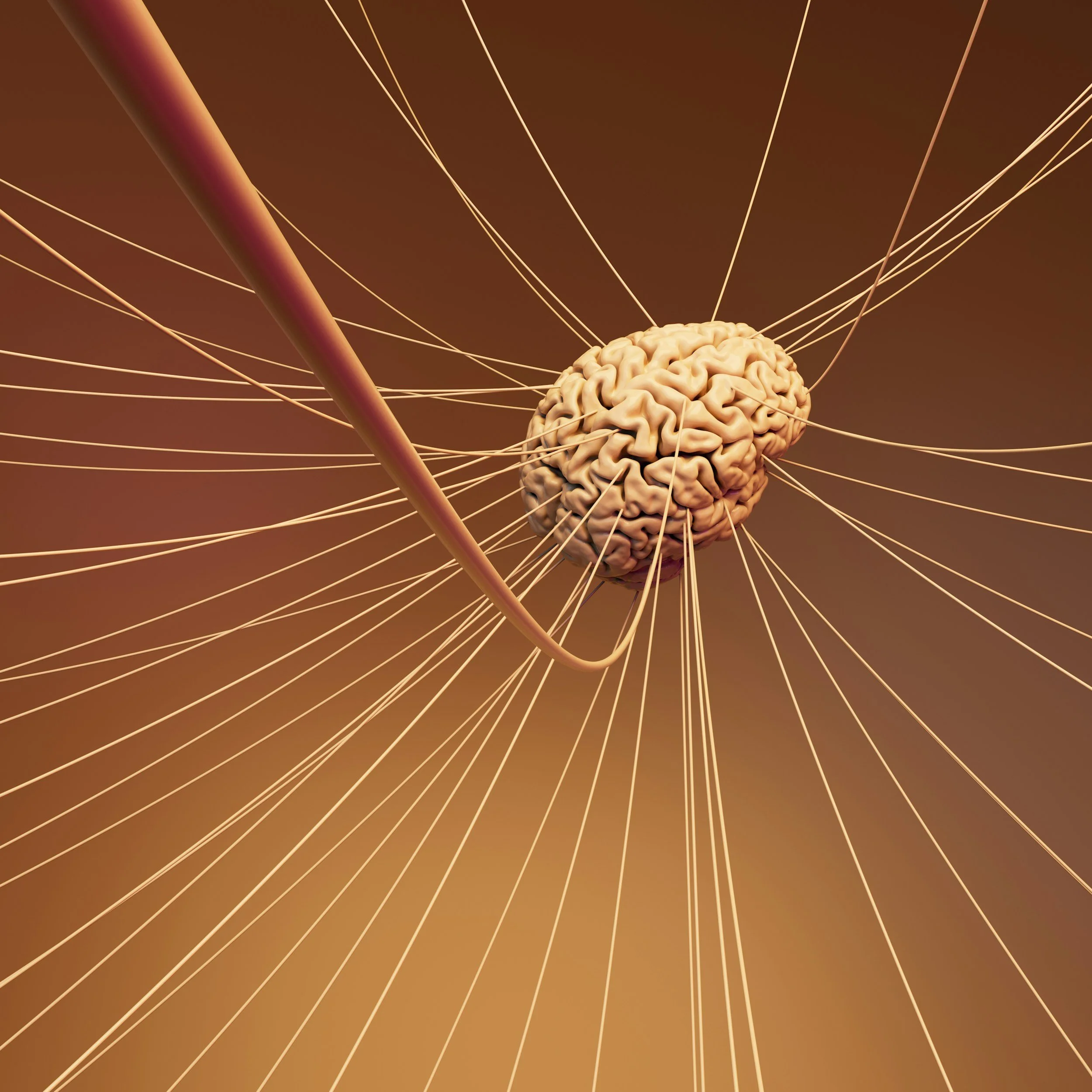
What neuroscience now gives us is a mechanism: acupuncture is a neuromodulator. Insert a needle at a specific site and you create a signal. That signal travels through your nervous system — activating the vagus nerve, regulating the HPA axis — modulating the hormones and neurotransmitters that govern pain, sleep, stress response, mood, digestion, and immune function. Things change.
Just because this isn't mystical doesn't make it any less magical.
The human body is extraordinary. An electrical spark in a single cell becomes a person. Your heart beats roughly 100,000 times a day without a single conscious instruction from you. Your immune system identifies and neutralizes threats it has never encountered before. The nervous system — the same one acupuncture is in conversation with — coordinates all of it, all the time, without your awareness.
The ancients mapped this carefully for millennia. We're now developing the language to explain why it works. At Well Collab, we hold both maps.
Translating the Languages
Mind
This is the part that surprises people. They come in for shoulder pain, and they sleep better. They come in for digestion, and the anxiety quiets. They didn't expect that. We did.
The nervous system doesn't compartmentalize the way we do. Acupuncture modulates the neurotransmitters and neural pathways governing mood, stress response, and cognitive function: the same ones implicated in anxiety, depression, and attention dysregulation.
It reduces cortisol, increases serotonin and dopamine, and supports the kind of neuroplasticity that makes lasting change possible. There is a growing body of evidence for acupuncture's effect on ADHD symptomatology specifically: on focus, self-regulation, and the chronic low-grade overwhelm that comes with a nervous system that has less protective intervention mechanisms online than a neurotypical one.
This is also where we want to say something plainly: a regulated nervous system thinks more clearly. It makes better decisions. It has access to more of itself. Regulation is a cognitive state, and it's available to you.
Body
This is where most people start. Something hurts, something isn't working, something has been off for long enough that you're finally doing something about it.
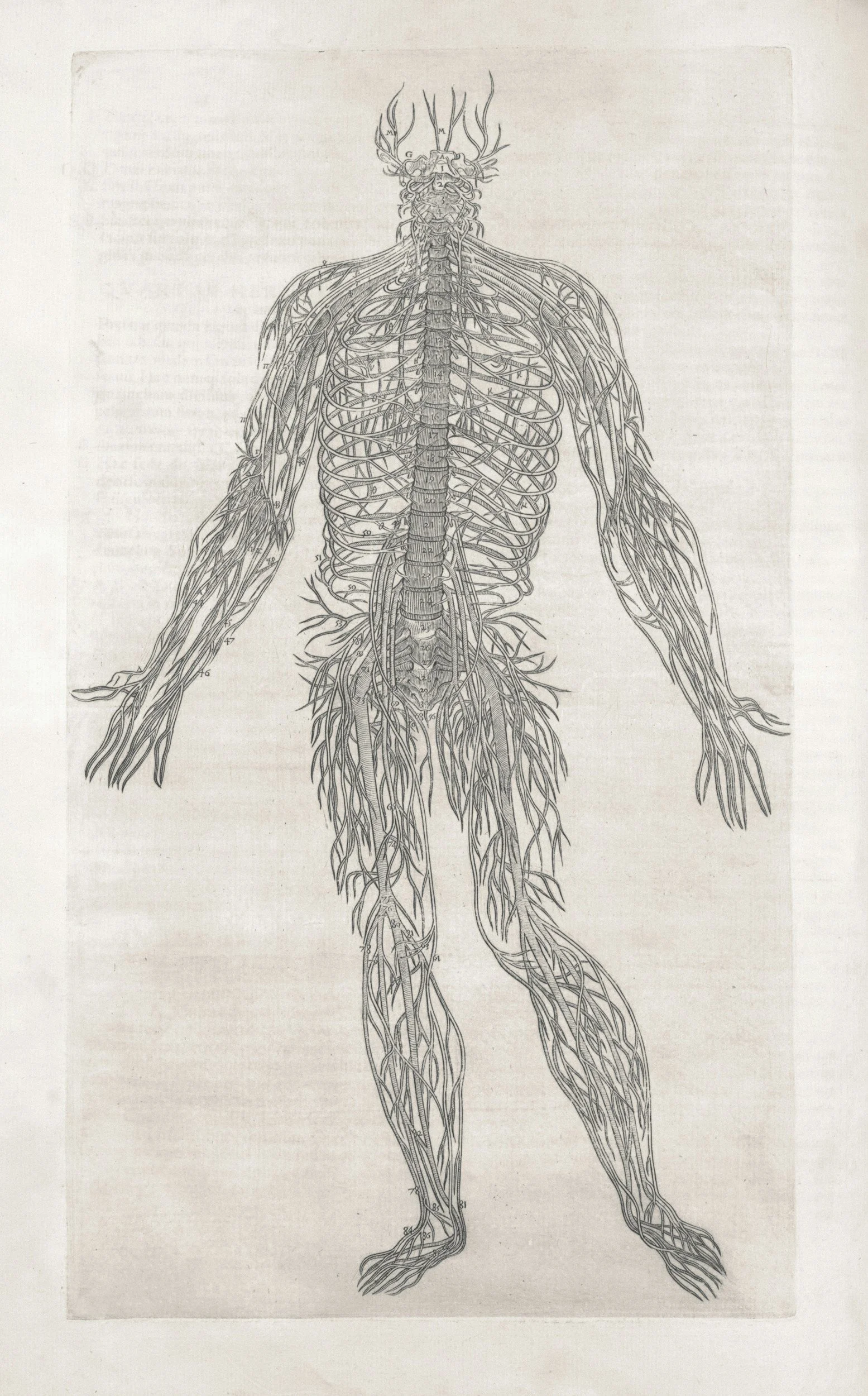
Acupuncture has a robust and growing research base for pain — acute and chronic, musculoskeletal and neurological, post-surgical and hormonal. But the body is not a collection of isolated symptoms, and we don't treat it like one. Chronic pain lives in the nervous system, not just the tissue. Hormonal dysregulation — PCOS, menstrual irregularity, perimenopause — responds to acupuncture's ability to modulate the same neuroendocrine pathways that govern reproductive function. Digestive dysfunction is often a stress response wearing a different costume — and the gut-brain axis is one of acupuncture's most well-documented intervention points.
When we treat the body at Well Collab, we're always asking: what is this symptom protecting? What is the nervous system trying to solve? The needle is an intervention, but the body already knows the direction. We're just helping it remember.
Spirit
This is the hardest one to name. Spirit as a word isn’t so much vague as the word itself has been so thoroughly claimed by contexts that don't quite fit it.
We don't mean religion. We don't mean wellness-as-aesthetics. We mean something closer to: the felt sense of being at home in yourself. Of being a person who belongs to their own life.
The nervous system governs this, too. A body running on chronic stress, chronic pain, chronic disconnection doesn't just feel bad physically; it loses access to itself. The capacity for wonder. For presence. For the particular quality of attention that makes your relationships, your creativity, your sense of meaning feel real rather than performed.
Acupuncture doesn't manufacture this. Acupuncture works with what you’ve got. It removes enough static interference and increases enough of the cushion between you and the world that you can find your way back. Patients describe it in different ways: feeling like themselves again, feeling quieter, feeling like something they'd been bracing against finally let go.
We think that's worth taking seriously. We've actually built an entire framework around why.
Where to begin.
Public Acupuncture
Daily groups to fit your schedule, your budget, and your needs.
Private Acupuncture
The deeper work, for when you're ready to look closer.
Facial Acupuncture
Embodiment and pro-cognition, not anti-aging. Your face, on your terms.
After Hours Groups
Community as medicine. The room that stays open when the services close.