

Facial Re:Cognition
A face in its element.
Anatomy. Acupuncture. Curiosity.
A different way of looking at the face.
Explore the clinical work and the ideas behind it.
What do you know about your face?
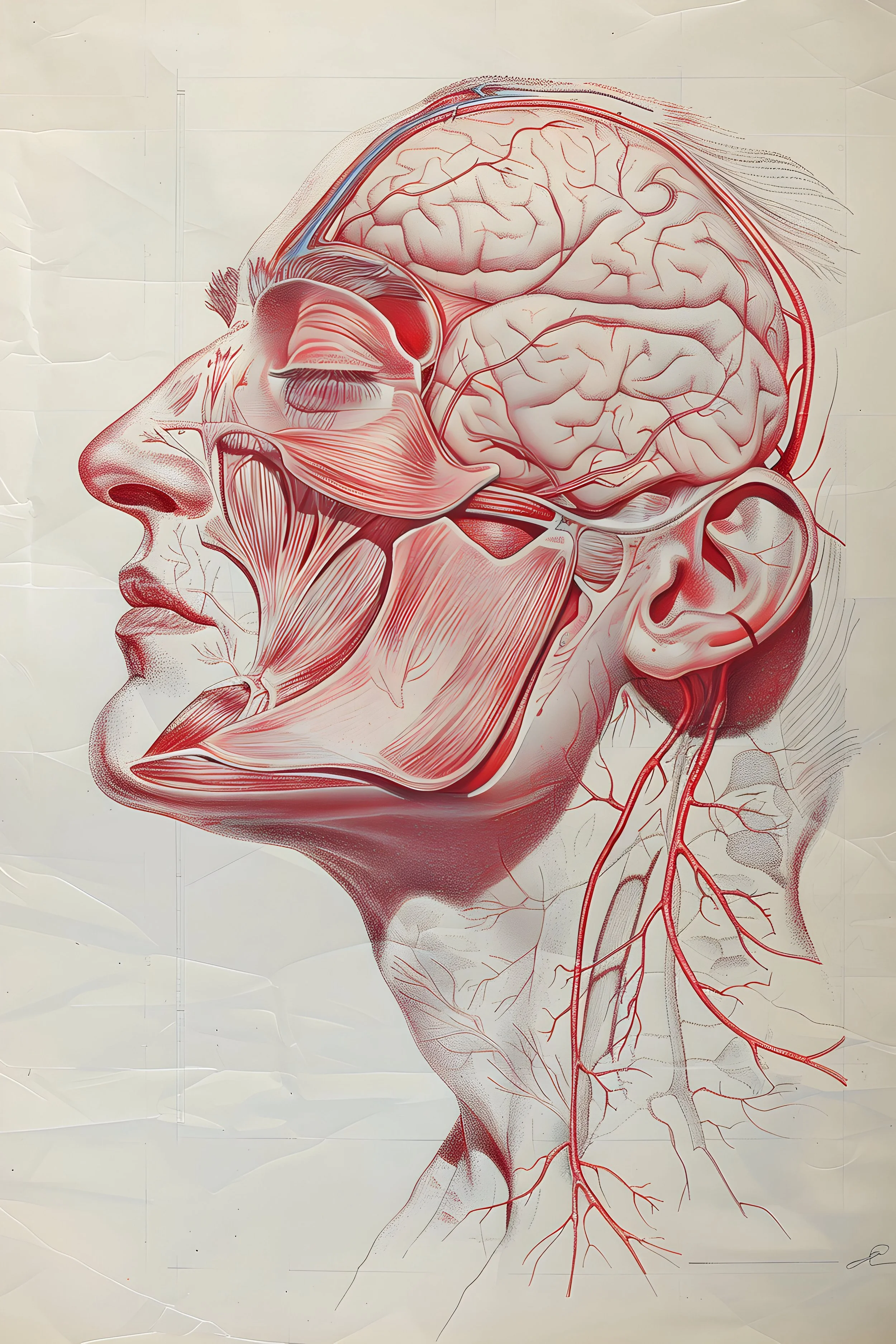
You live in it. You recognize it. You watch it change.
But how much do you know about the structures, systems, and processes that shape it?
Your face is constantly at work. It communicates before you speak. It registers sensation, responds to emotion, and makes thousands of subtle adjustments as you move through the world. Beneath its surface, intricate networks of muscles, nerves, blood vessels, and connective tissue work together, influencing everything from your expressions to how you breathe, chew, and hold tension.
And all of it changes over time, shaped by biology, environment, habit, health, and experience.
Yet most of us know remarkably little about how our faces actually work. We can identify a new line, a change in our jaw, or puffiness beneath our eyes without necessarily understanding what's happening beneath the skin.
What might change if we understood our faces as well as we've learned to examine them?
We recognize faces before we know what to call them.
We read expression, emotion, familiarity, and difference in an instant. But what does it mean to recognize your own?
For women, the face has long been a site of scrutiny. We learn to examine it for signs of aging, imperfection, and deviation from an ever-changing standard of beauty. We become fluent in what we're supposed to see, often without learning much about what we're actually looking at.
Beneath the surface is an extraordinary landscape of muscles, nerves, blood vessels, connective tissue, and fluid. A living anatomy that moves, communicates, responds, and changes throughout our lives.
And yet, so much of our relationship with our faces happens from the outside.
Facial Re:Cognition is an invitation to become acquainted with your face from the inside out.
Through acupuncture, manual therapy, anatomical education, and embodied practice, we explore the relationship between how your face looks, how it functions, and how it feels.
We practice observing before interpreting. We learn to recognize tension, movement, sensation, and change. We develop a vocabulary for experiences that might previously have gone unnoticed.
Because understanding your face changes how you participate in its care.
And perhaps, in time, how you see yourself.
Come closer.
There are different ways to get to know your face.

Experience it.
Facial acupuncture and manual therapy informed by anatomy, physiology, and a deep curiosity about how faces function and change.
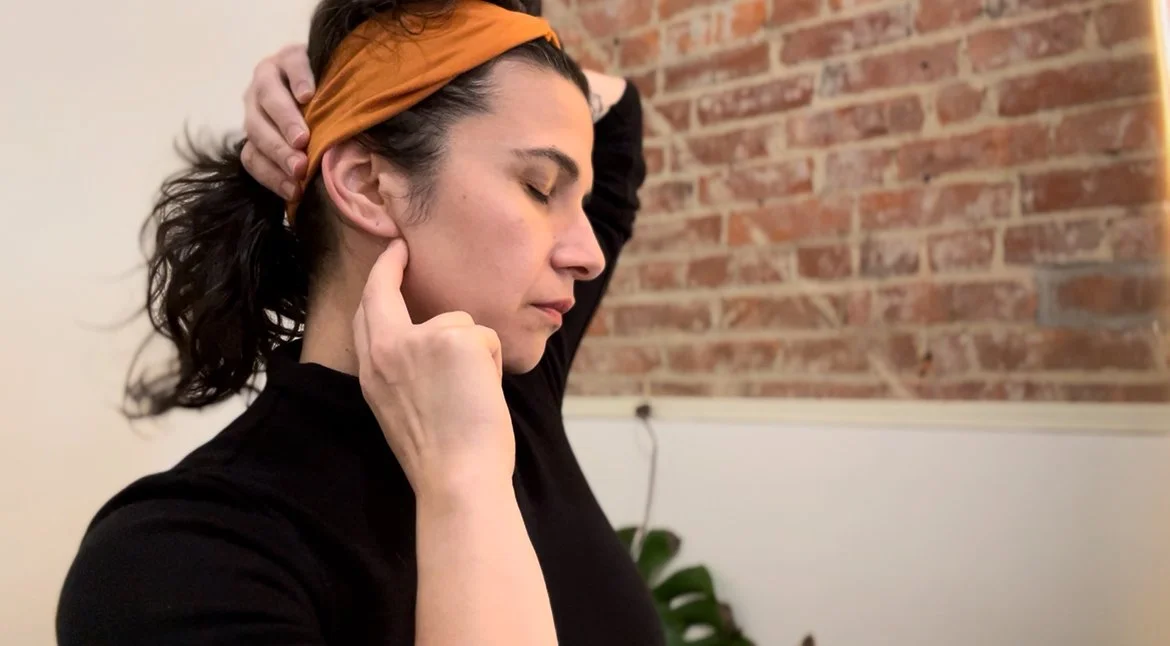
Understand it.
Classes, tools, and education that help you recognize the anatomy of your face and develop a more informed relationship with it.
Explore Education